Water Quality Analysis
ROSOL Water Analysis Service – Professional Water Quality Analyst Testing Solutions
ROSOL provides professional water analysis and water quality testing services to evaluate water quality in accordance with Vietnamese Standards (QCVN) and international requirements.
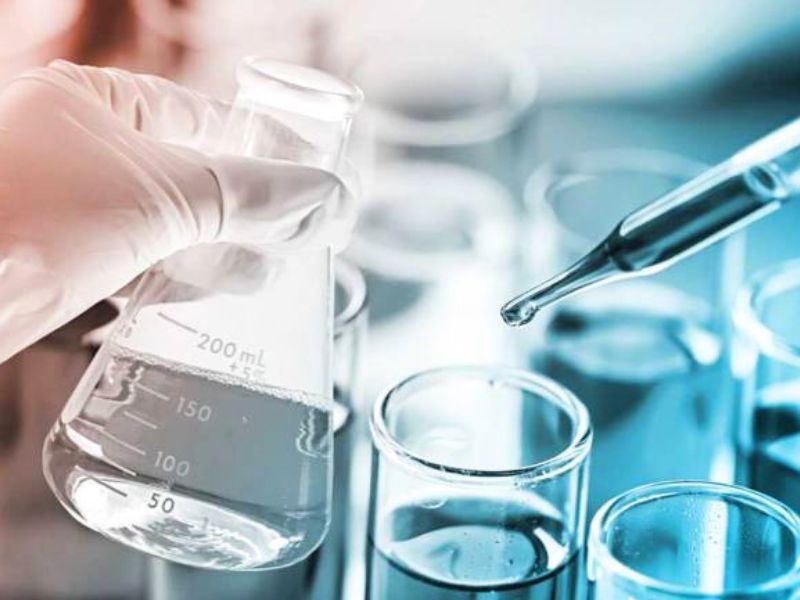
Equipped with modern laboratory instruments, we analyze a wide range of physical, chemical, and microbiological parameters, including pH, water hardness, heavy metals, BOD, COD, and E. coli. Our testing services help ensure water safety and quality for residential, commercial, industrial, and environmental applications.
ROSOL Water Analysis Services
Water pH Testing Service
What Is Water pH?
Water pH is a measure of the acidity or alkalinity of water on a scale from 0 to 14:
- pH < 7: Acidic water
- pH = 7: Neutral water
- pH > 7: Alkaline water
The pH level directly affects water quality, pipeline corrosion, and the health of both humans and aquatic ecosystems.
Why Is Water pH Important?
- For Domestic Water: Maintaining a pH level between 6.5 and 8.5 helps protect human health, reduces skin irritation, and supports healthy digestion.
- For Drinking Water: Water with a low pH may contribute to tooth enamel erosion and digestive discomfort, while excessively alkaline water may affect mineral absorption and taste.
- For Industrial Applications: Industries such as food & beverage, pharmaceuticals, paper manufacturing, and electronics require precise pH control to maintain product quality and optimize production processes.
At ROSOL, we utilize advanced analytical equipment to deliver accurate and reliable water pH testing for every application.
Water Hardness Testing Service
What Is Water Hardness?
Water hardness refers to the concentration of dissolved calcium (Ca²⁺) and magnesium (Mg²⁺) ions in water. Excessive hardness can cause scale buildup in pipes and equipment, reduce operational efficiency, and affect water quality.
Why Test Water Hardness?
- For Residential Use: Hard water may cause dry skin and hair, reduce the effectiveness of soaps and detergents, and leave mineral deposits on household fixtures.
- For Industrial Applications: High water hardness can lead to scaling in pipelines, boilers, heat exchangers, and cooling systems, increasing maintenance costs and reducing equipment performance.
- For Food & Pharmaceutical Manufacturing: Soft water or properly treated water is essential to ensure product consistency, meet quality standards, and protect sensitive production processes.
Heavy Metals Testing Service
What Are Heavy Metals in Water?
Heavy metals in water include elements such as lead (Pb), mercury (Hg), arsenic (As), cadmium (Cd), chromium (Cr), manganese (Mn), iron (Fe), copper (Cu), and zinc (Zn). When present above permissible limits, these contaminants can pose serious risks to human health and the environment.
Why Test for Heavy Metals in Water?
- Protect Human Health: Long-term exposure to heavy metals can lead to poisoning, liver and kidney damage, neurological disorders, and an increased risk of cancer.
- Ensure Water Quality: Heavy metal testing is essential for drinking water, bottled water, domestic water supplies, and water used in food, beverage, and pharmaceutical manufacturing to ensure safety and product quality.
- Meet Regulatory Standards: Water quality testing helps verify compliance with Vietnamese standards (QCVN) and other applicable regulations, ensuring safe water for residential and industrial applications.
BOD & COD Analysis Service
What Are BOD and COD?
BOD – Biochemical Oxygen Demand
BOD measures the amount of dissolved oxygen required by microorganisms to decompose biodegradable organic matter in water over a specified period (typically 5 days at 20°C). High BOD levels indicate elevated organic pollution, which can negatively affect aquatic ecosystems.
COD – Chemical Oxygen Demand
COD measures the amount of oxygen required to chemically oxidize both organic and inorganic substances in water. COD provides a rapid indication of the overall pollution level and is widely used to evaluate industrial wastewater quality.
Why Analyze BOD and COD?
- Assess Water Pollution: BOD and COD analysis helps determine the concentration of organic pollutants in surface water, domestic wastewater, and industrial wastewater.
- Ensure Environmental Compliance: Routine monitoring supports compliance with applicable environmental discharge standards and wastewater regulations.
- Optimize Wastewater Treatment: Accurate BOD and COD data enable factories and treatment facilities to monitor system performance, improve treatment efficiency, and reduce operating costs.
Groundwater (Well Water) Testing Service
Why Test Groundwater?
Groundwater from wells may contain dissolved minerals, heavy metals, microorganisms, and chemical contaminants that can affect water quality and pose health risks.
Comprehensive groundwater testing helps to:
- Evaluate Water Quality by analyzing physical, chemical, and microbiological parameters.
- Protect Public Health by identifying harmful contaminants such as heavy metals and disease-causing bacteria.
- Meet Water Quality Standards for residential and commercial use.
- Recommend Appropriate Water Treatment Solutions based on the test results.
Groundwater Testing Parameters
ROSOL’s groundwater testing service includes comprehensive analysis of the following parameters:
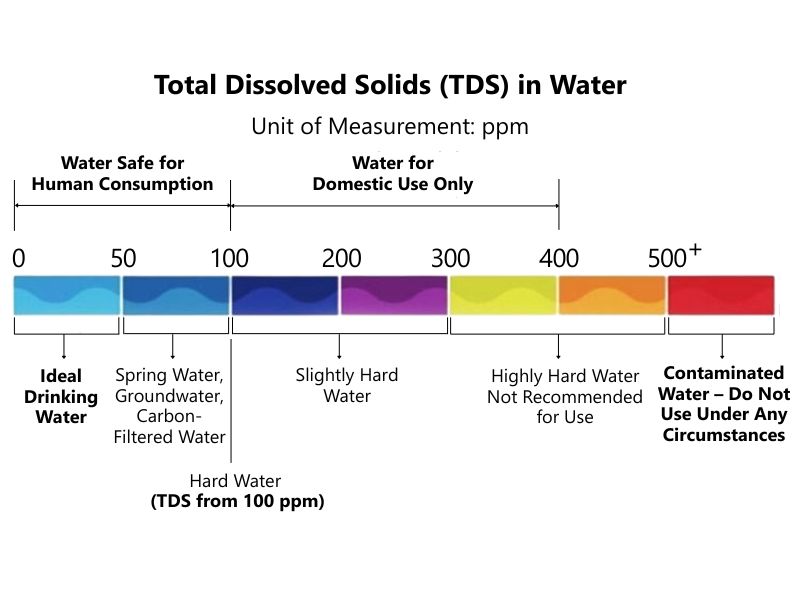
- Physical Parameters: Color, Turbidity, Odor and taste, Total Dissolved Solids (TDS).
- Chemical Parameters: pH, Water hardness, Heavy metals (iron, manganese, lead, arsenic, mercury, cadmium,…), Ammonium, Nitrate, Nitrite, Sulfate, Residual chlorine.
- Microbiological Parameters: Total Coliform, Escherichia coli (E. coli),Other pathogenic microorganisms.
Water Bacteria Testing Service
Water may contain harmful bacteria such as E. coli, Coliform, Salmonella, Pseudomonas,… which can pose serious health risks, particularly to the digestive and immune systems.
ROSOL’s Water Bacteria Testing Service provides comprehensive microbiological analysis to detect bacterial contamination and verify that water quality meets the requirements of QCVN 01-1:2018/BYT for domestic water use.
Using advanced laboratory testing methods and state-of-the-art analytical equipment, our experienced specialists deliver accurate test results, detailed laboratory reports, and professional recommendations for the most effective water treatment solutions. Contact ROSOL today to ensure safe, hygienic water for your family, business, or industrial facility.
QCVN 01-1:2018/BYT is the Vietnam National Technical Regulation on Domestic Water Quality, issued by the Ministry of Health. It specifies the microbiological, physical, and chemical quality requirements that water must meet to be considered safe for domestic use.
Industrial Wastewater Analysis Service
Industrial wastewater is generated from manufacturing and processing activities in factories and industrial parks, including wastewater from production processes, equipment cleaning, and cooling systems. This type of wastewater may contain a wide range of pollutants, including heavy metals, oil and grease, hazardous chemicals, suspended solids, and pathogenic microorganisms.
Why Analyze Industrial Wastewater?
- Ensure Environmental Compliance: Industrial wastewater testing helps businesses comply with environmental regulations and applicable wastewater discharge standards.
- Protect the Environment: Regular analysis helps prevent contamination of surface water, groundwater, and surrounding ecosystems by identifying pollutants before discharge.
- Optimize Wastewater Treatment: Comprehensive testing enables companies to monitor treatment system performance, optimize operating costs, and improve treatment efficiency.
- Reduce Regulatory Risks: Routine wastewater monitoring helps minimize the risk of environmental violations, administrative penalties, and operational interruptions.
QCVN 40:2011/BTNMT is the Vietnam National Technical Regulation on Industrial Wastewater, issued by the Ministry of Natural Resources and Environment, specifying wastewater discharge quality requirements for industrial facilities.
Industrial Wastewater Testing Parameters
Physical Parameters
-
Color, Turbidity
-
Total Suspended Solids (TSS)
-
Total Dissolved Solids (TDS)
Chemical Parameters
-
pH
-
Biochemical Oxygen Demand (BOD)
-
Chemical Oxygen Demand (COD)
-
Ammonium (NH₄⁺), Nitrate (NO₃⁻), Nitrite (NO₂⁻)
-
Heavy metals (Arsenic, Lead, Mercury, Chromium, Copper, Zinc,…)
-
Hazardous chemicals (Cyanide, Phenol, Mineral Oil & Grease,…)
Microbiological Parameters
-
Total Coliform
-
E. coli
- Other pathogenic bacteria
WASOL Group is one of Vietnam’s leading EPC (Engineering, Procurement & Construction) contractors, specializing in industrial and commercial water treatment solutions. Our expertise includes:
- Water Supply Treatment Systems
- Industrial Wastewater Treatment Systems
- Cooling Tower Systems
- Boiler Systems
- Paint Recovery Systems
- Food Processing Solutions
Bottled Drinking Water Analysis Service
Bottled drinking water is purified water packaged in plastic bottles, glass bottles, or large containers for direct consumption. It is widely used due to its convenience, safety, and compliance with food safety standards.
Why Analyze Bottled Drinking Water?
- Ensure Water Quality: Comprehensive testing verifies physical, chemical, and microbiological parameters to ensure bottled water meets quality and safety requirements.
- Comply with Food Safety Regulations: Water quality testing helps bottled water manufacturers satisfy regulatory requirements before products are released to the market.
- Protect Consumer Health: Routine analysis detects heavy metals, microorganisms, and other harmful contaminants that may affect consumer safety.
- Enhance Brand Reputation: Certified water quality strengthens customer confidence and demonstrates a commitment to product excellence.
QCVN 6-1:2010/BYT is the Vietnam National Technical Regulation for Natural Mineral Water and Bottled Drinking Water, issued by the Ministry of Health.
Bottled Drinking Water Testing Parameters
Physical Parameters
-
Appearance (clarity), Color, Odor, Taste.
-
Total Dissolved Solids (TDS).
Chemical Parameters
-
pH, Water hardness.
-
Heavy metals (Lead, Mercury, Arsenic, Cadmium, Chromium,…)
-
Organic and inorganic compounds (Ammonium, Nitrate, Nitrite, Chloride, Sulfate, Fluoride)
Microbiological Parameters
-
Total Aerobic Plate Count
-
Coliform, E. coli
- Pseudomonas aeruginosa